
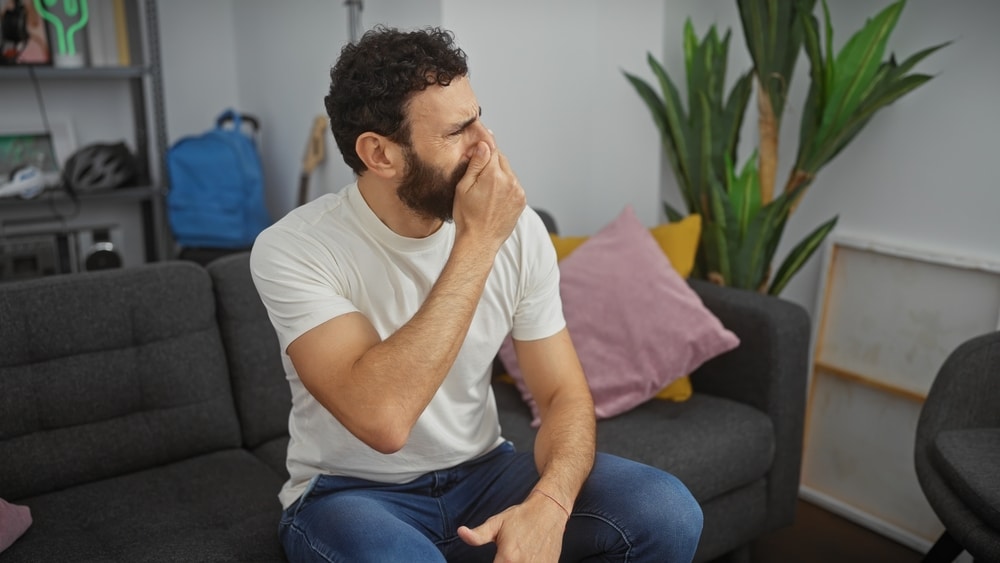
Tackling Tough Smells: Specialized Techniques for Eliminating Smoke, Pet, and Mold Odors
Those stubborn smells from smoke, pets, and mold can turn your cozy home into a place you don't want to be. Yuck! Simple air fresheners just mask these problems temporarily. To actually get rid of these smells, you need to understand what makes them stick around and use methods that target the source. Let's dig into how to remove smells from house for good, with solutions that work on even the most stubborn odors.
Understanding Why Certain Odors Are So Difficult to Remove
Some smells stick around because they penetrate your home at a molecular level. Smoke particles burrow into carpets, furniture, and walls. Pet accidents contain proteins that keep producing smells after surface cleaning. Mold spores spread everywhere, creating that musty warning something's growing where it shouldn't.
Pet smells come from multiple sources. Cat pee contains amino acids releasing ammonia, plus felinine – a sulfur compound creating mercaptans (the same stuff making skunk spray awful). Carpet fibers, especially nylon, hold smells like sponges. Smoke odor removal costs $200-$1,000, while pet odors average $400 unless they've damaged your subfloor.
Warm, damp spots become bacteria breeding grounds. These organisms break down organic matter and release foul-smelling gases. A housing study found 45% of homes had visible mold, with 18% reporting moldy smells. About 16% of European homes deal with indoor dampness. Research shows people exposed to moldy odors have higher asthma risk, with odds 2.4 times higher for adults over 50 and 3.5 times higher for women.
Professional Smoke Odor Removal Techniques
Different smoke types leave behind unique chemical compounds that hide inside walls, under floors, and throughout HVAC systems. Regular cleaning sprays can't reach these spots! Pro services use specialized equipment including deep-cleaning systems, special air filters, and treatments that neutralize rather than mask smells.
Thermal fogging mimics how smoke originally spread through your home. The process creates super-fine fog with particles smaller than half a micron, recreating heat and pressure conditions that let deodorizing droplets penetrate the same spots as smoke. It's fighting smoke with fog – these foggers treat up to a million cubic feet per hour.
HVAC system checks cost $150-$500, with repairs potentially adding another grand if components are damaged. Basic smoke odor removal runs $200-$1,000, but doesn't include fixing damaged systems. Still worth it when nothing else works.
Ozone Treatment and Advanced Air Purification
Ozone breaks smoke molecules at a chemical level. It's three oxygen atoms stuck together, with that third atom eager to attach to odor molecules and change their structure. The catch? Ozone is toxic. You'll need to leave during treatment since it can damage lungs, worsen asthma, irritate throats, cause chest pain, and increase respiratory infection risk.
Safety limits are strict – FDA caps indoor medical devices at 0.05 ppm, while workplace safety groups set 0.10 ppm maximums. Many pros now prefer hydroxyl generators that work safely while people remain inside. These create hydroxyl radicals that zap odors without harmful side effects. These radicals are a million times more reactive than ozone and tackle wider ranges of smells and germs. The market splits 50/50 between ozone and hydroxyl machines, each covering 1,000-1,500 square feet.
HEPA filters trap tiny smoke particles while ozone or hydroxyl treatments tackle embedded smells in walls, furniture, and carpets. Using these methods together attacks problems from all angles, preventing smoke smells from returning.
Eliminating Pet Odors: Beyond Surface Cleaning
Pet smells are sneaky invaders. They sink deep into carpet fibers, padding, and subfloor where they feed bacteria that pump out ammonia-like stinks. Dogs and cats leave their mark through body oils, dander, pee, poop, and drool – each needing its own approach. Dog poop smell comes from bacteria breaking down organic matter, getting worse depending on what your pup eats, their health, and how long it sat on your carpet. Dog vomit is trickier since stomach acids can damage carpet fibers while soaking deep into the material.
Pet odor removal typically runs around $650 for a proper job! This covers stain treatment, steam cleaning three rooms, and odor treatments. Minor issues might cost under $400, but severe cases can hit $1,250. Prices vary because each situation is different. Regular cleaning can't reach the bacteria colonies in your carpet padding and subfloor.
Going pro means attacking the actual cause – those bacterial breeding grounds and protein breakdowns making your home smell funky. Pros tackle wet dog smells from oils and bacteria on your pet's skin, plus dander odors that can trigger allergies. DIY methods usually flop because they can't reach deep enough where the real trouble lies.
Enzyme Cleaners and Deep Treatment Methods
Traditional enzyme cleaners work like tiny demolition crews. They contain natural enzymes that break down organic stuff – proteins, fats, and carbs – leaving nothing behind to smell bad. But they need just the right temperature, exact pH levels, and plenty of time. Brands like Simple Solution Extreme, Resolve Urine Destroyer, or Rocco & Roxie might strike out against serious messes.
Some newer products ditch enzymes altogether. Skout's Honor uses BioKore™ with plant-based surfactants that work right away no matter the temperature or pH. For DIY fixes, mixing hydrogen peroxide and baking soda can help with surface stains – just test a hidden spot first! The process: blot up moisture, apply your mixture, let it sit, then extract thoroughly. But this method won't touch anything that's soaked into padding or subfloor.
When pet messes have reached your subfloor, all bets are off. Replacing damaged subfloor costs $400-$1,200 for just one room. If there's structural damage, you could be looking at over $1,250. Getting a pro assessment for bad pet odors makes sense – trying to fix deep damage with surface cleaners is just throwing money down the drain.
Mold and Mildew Odor Elimination Strategies
That musty smell isn't just unpleasant – it's a warning. Mold and mildew create compounds called mVOCs that float into your air and create that distinctive stink. If your home smells moldy or musty, you've got active mold growth that needs immediate attention. The CDC lists several common indoor molds including black mold (Stachybotrys chartarum), Alternaria, Cladosporium, and Penicillium. Each has its own funky smell and potential health impacts.
Black mold is particularly nasty. It looks black and slimy and loves damp spots with high humidity. It can cause serious breathing problems and mess with your immune system. Don't try DIY removal with this stuff – you'll just spread spores everywhere and make things worse. Mold thrives in poorly ventilated areas, spots with water damage, or places with constant high humidity. These conditions create perfect mold nurseries where colonies can grow and spread fast.
Getting rid of mold odors means tackling both the visible growth and the moisture feeding it. You need to find and fix leaky pipes, poor ventilation, or waterproofing issues. When mold covers large areas, involves toxic species, or is making people sick, it's time to call in pros. The health risks – breathing problems, allergic reactions, and immune system issues – make proper treatment a health priority, not just a comfort issue.
Moisture Control and Professional Remediation
Controlling moisture is job #1 in fighting mold odors. Fix the water problem, or the mold (and smell) will keep coming back. Your indoor humidity sweet spot is between 30-50%, with 40% being ideal. Let humidity climb above 70% and you're rolling out the red carpet for dust mites and mold. Too dry (below 30%), and you'll deal with dry skin, static electricity, and more viruses. For summer months and basements, set dehumidifiers to 40-50% to keep mold at bay.
When mold has invaded your carpet padding, subfloor, or structural elements, it's pro time. Bleach works on hard surfaces, but white vinegar is often safer for occupied spaces. Neither will help with mold hiding in wall cavities or HVAC systems, though. Pros combine dehumidifiers, industrial fans, proper ventilation, and antimicrobial treatments to kill existing mold and prevent new growth.
Don't ignore the health angle. Mold exposure can trigger asthma attacks and cause ongoing health issues, especially for kids, older folks, and people with weak immune systems. If mold smells stick around despite your cleaning efforts, or if people in your home are getting sick with unexplained symptoms, calling in mold remediation experts isn't just about comfort – it's about keeping everyone healthy.
When to Call Professional Odor Removal Services
Time to wave the white flag? Watch for these signs: smells that bounce back after cleaning, new health symptoms, suspected structural damage, or odors taking over large areas. If you've tried multiple DIY fixes and the smell persists (or gets worse), or if you can't figure out where it's coming from, professional help makes sense. They bring industrial-strength cleaners, truck-mounted systems, and enzyme solutions that blow away anything you can buy at the store.
Those truck-mounted systems are no joke. They pack powerful vacuums, heating systems, solution tanks, recovery tanks, and long hoses that reach deep contamination. The pros heat cleaning solutions to just the right temperature to break down stains and odors, then extract them with vacuum power that leaves surfaces truly clean. Many now use eco-friendly, biodegradable cleaners that are tough on smells but gentle on people and pets.
The results speak for themselves. After professional duct cleaning, people report 60% fewer allergy symptoms and much less pet dander in their air. Commercial kitchens see 90% fewer fire incidents after proper exhaust cleaning. Homes with smoke damage gain about 15% in property value after professional treatment completely eliminates those stubborn smoke odors. Custom treatment plans targeting your specific odor problems deliver results that DIY methods simply can't match.
Health Risks of Lingering Odors
Bad smells aren't just annoying – they're warning signs. Persistent odors often mean bacteria, mold, or harmful substances are compromising your air quality and potentially making your family sick. Household air pollution kills over 4 million people yearly and accounts for 110 million disability-adjusted life years lost worldwide.
Mold compounds (mVOCs) cause headaches, stuffy noses, dizziness, fatigue, and nausea. Poor indoor air quality links to premature births, low birth weight, reduced lung function, childhood respiratory infections, and higher risks of asthma, COPD, and lung cancer. Nearly 3 billion people use biomass fuels daily for cooking and heating, with biomass being the main energy source for 40% of households globally.
Kids and elderly folks get hit hardest. Children's developing lungs are extra sensitive to airborne contaminants, while older people may have worse reactions due to weaker immune systems. Even pets suffer from poor air quality – watch for breathing problems, skin irritation, or behavior changes. Persistent odors often signal contamination levels posing ongoing health risks to everyone in your home.
Prevention Strategies for Future Odor Problems
Stop smells before they start! Clean your fridge weekly, keep garbage and recycling bins clean, don't let laundry pile up, and wash dishes right away. Got pets? Groom them regularly, clean up accidents immediately, and use area rugs to protect carpets and floors. Good airflow matters too – open windows on opposite sides of your house to create cross-ventilation, use fans in bathrooms and kitchens, and keep air moving throughout your home to prevent moisture buildup.
Indoor air is often dirtier than outdoor air. The culprits? Dust, pet dander, cooking fumes, chemicals from cleaning products and furniture, and mold spores. Fight back by cleaning or replacing filters regularly, checking air ducts, making sure exhaust fans work, and getting professional HVAC checkups. Keeping humidity between 30-50% stops mold while keeping everyone comfortable. Regular cleaning schedules and quick responses to spills prevent small issues from becoming big odor problems.
The best prevention combines several approaches: good ventilation, controlled humidity, immediate spill cleanup, area rugs in high-traffic spots, and regular pet grooming. Taking these steps costs way less than professional odor removal and keeps your home healthy and comfy. Staying on top of potential odor sources protects both your family's health and your property value by stopping deep contamination before it requires expensive pro treatment.
Reclaim Your Fresh, Healthy Home Environment
Getting rid of tough smells from smoke, pets, and mold means going beyond surface cleaning. Now you know why these smells dig in deep and resist normal cleaning – they need targeted approaches and sometimes professional equipment to fully eliminate. Fixing the root cause instead of masking odors protects your family's health and your home's value.
The health impacts of ongoing odors – from breathing troubles to serious allergic reactions – make quick, thorough treatment a must. Pro odor removal services bring the right tools, safety know-how, and technical skills to tackle contamination that DIY methods just can't touch. Whether you're dealing with smoke damage, pet accidents, or mold growth, professional help often saves money compared to trying product after product that can't reach deep contamination.
If stubborn smells are winning the battle despite your cleaning efforts, it's time to try proven pro techniques or call qualified odor removal specialists who can provide real solutions. Don't let those nasty smells keep affecting your family's health and comfort. And if you have a property with major odor issues that you want to sell quickly without spending time and money on professional cleanup, we can help you find a way out – just visit ZoomOffer.com for a cash offer on your home as-is.