
Preparing Your Home for Sale: Eliminating Odors that Turn Off Potential Buyers
First impressions make or break a home sale. Yikes! Unpleasant smells can tank a potential deal faster than you'd think. Would you believe that 80% of buyers run for the hills when they catch a whiff of strong odors? This harsh reality makes getting rid of those funky smells an absolute must-do before listing. Let's dig into what causes those nose-wrinkling problems and how to kick them to the curb so you can maximize your home's selling price.
The Impact of Odors on Home Sales
Bad smells hit your wallet hard. They slash marketability and drop sale prices like a rock. Picture this: a buyer steps into your house, catches a funky smell, and that's it—game over. Their brain has already decided. No matter how gorgeous your crown molding or how spacious your kitchen, that lingering stink leaves a mark they just can't shake.
The numbers tell a brutal truth. Homes that smell fresh or have no obvious odors fly off the market faster—and for way more cash. A Phoenix real estate study found something jaw-dropping: clean, fresh-smelling properties sold for about 5% ABOVE asking price! Meanwhile, smelly homes struggled, selling for roughly 3% BELOW asking. Do the math on a $300,000 house—that's a $24,000 swing! It gets worse for smokers' homes, which can lose up to 29% of their value according to National Association of Realtors research. Want another shocking stat? Professionally cleaned and staged homes fetch 6-10% more than their unprepared counterparts. The message? Clear the air or clear out your profit margin.
Common Sources of Household Odors
Several stink-makers can wreck your home's appeal. Pet odors top the list—especially cat pee. Man, that stuff is brutal! It soaks into everything: carpets, floorboards, walls. One real estate pro noted, "You'll need to rip out the carpet AND replace the floorboards underneath. Just slapping primer on those boards won't cut it." Tobacco smoke ranks a close second in the "nearly impossible to remove" category. It creeps into walls, clings to ceilings, and burrows into every porous surface in sight. Years later, it can still hang around like an unwanted houseguest.
Don't forget the other usual suspects: cooking smells (think fish, curry, or fried foods), musty basement funk from moisture issues, and garbage odors that somehow stick around long after trash day. What makes these so tricky? They spread like wildfire through your home and grab onto fabrics, furniture, and curtains with surprising tenacity.
Cigarette smoke deserves its own special warning label. Beyond the smell, it leaves a toxic calling card known as third-hand smoke—residual nicotine and chemicals that stick to surfaces throughout your home. These nasty leftovers don't just sit there; they actively interact with indoor pollutants to form compounds that might cause cancer. Kids and non-smokers face the highest risk, making smoke odor an absolute deal-breaker for most buyers. Worse yet, the smell can hide inside your HVAC system, and sometimes even new furnaces or AC units won't solve the problem completely.
Effective Odor Elimination Strategies
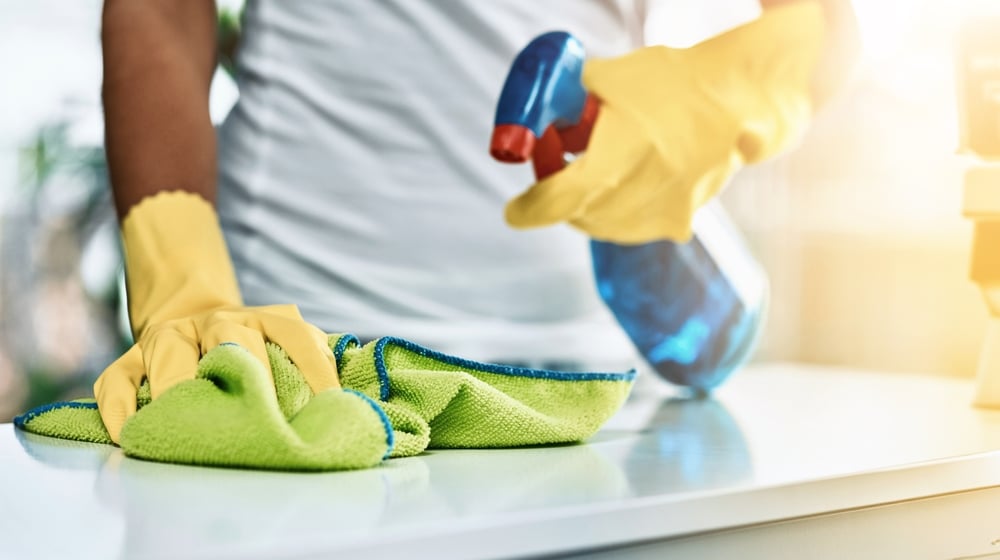
Got stink? Fight back! Start with a top-to-bottom cleaning assault on carpets, upholstery, and curtains. Don't underestimate grandma's tricks—baking soda and vinegar work wonders on mild odors. Crack those windows whenever possible and get some fans going. Air circulation is your buddy in this battle. For everyday cleaning, you're looking at some investment: professional cleaners typically charge between $118 to $236, more if your house tops 3,000 square feet (think $750+ for larger homes).
Stubborn smells call for bigger guns. Ozone generators can nuke severe odor problems, but careful—these aren't DIY tools. Leave them to pros who know what they're doing. Sometimes painting walls and ceilings with special odor-blocking primer seals in lingering smells. And let's be real: in extreme cases, that carpet's gotta go. Padding too. No way around it.
Cigarette smoke? That's a whole different beast requiring a multi-attack plan. We're talking deep cleaning every surface, specialized paint jobs, professional carpet treatments, and sometimes even HVAC replacement. Want a reality check? The Kelly Residence case study (4,000+ square feet) shows what serious odor mitigation looks like: $7,000 total cost, over 2,500 man-hours of labor, a full day of HEPA filter air duct cleaning (price tag: $1,200), plus ionizer treatments coming in under $1,000. Steep? Yes. Worth it to sell your home? Absolutely.
Preventive Measures and Ongoing Maintenance
Got the stink out? Keep it that way! Set up a regular cleaning schedule and stick to it like glue. Take out trash promptly, control moisture levels, and consider air purifiers with HEPA filters for an extra defense layer. Got furry friends? Scoop that litter box daily and keep Fluffy well-groomed. Small habits make a huge difference when maintaining that fresh-home smell buyers crave.
Humidity control isn't just about comfort—it's your first line of defense against musty odors and mold. The EPA says to keep relative humidity between 30% and 50%, with 45% hitting the sweet spot. Once humidity creeps above 60%, mold starts partying, and at 70%, it's a full-blown mold festival. Nobody wants that! Temperature matters too—aim for 68 to 76 degrees Fahrenheit to keep your home in the comfort zone while preventing odor-causing conditions.
Your HVAC system needs love too. Those filters? They're odor magnets. Fiberglass filters need swapping every 30 days (or sooner), while pleated filters might stretch to 90 days. Here's a simple test: hold your filter up to a light source. Can't see light through it? Time for a new one! Regular maintenance keeps air flowing clean and fresh—exactly what you want when buyers come knocking.
The Role of Professional Help
Sometimes DIY just won't cut it. No shame in calling the pros! Professional cleaning crews, odor removal experts, carpet specialists, and HVAC techs bring specialized equipment and know-how that can save your sanity (and your sale). When odors have had years to settle in, professional intervention might be your only real shot at a fresh start.
Don't just hire anyone with a spray bottle and a smile, though. Look for proper credentials. The International Institute of Cleaning and Restoration Certification (IICRC) offers solid training programs that matter. These certifications separate the pros from the pretenders and guarantee they follow industry best practices rather than just masking odors with temporary fixes.
For nightmare scenarios, seek out specialists with specific odor removal training. The Ding King Training Institute runs a compact but comprehensive odor removal program—just 4 hours long but packed with practical techniques. Graduates earn IICRC Certification and learn everything from identifying hidden odor sources to operating specialized equipment. When your home's future sale price is on the line, this expertise can be worth its weight in gold. Remember too that HVAC systems need thorough coil and duct cleaning after smoke exposure—standard filter changes won't solve the deeper issue.
The Alternative: Selling Your Home As-Is
Feeling overwhelmed by the time, money, and effort needed to tackle serious odor issues? There's another path. Companies like ZoomOffer.com specialize in buying homes as-is—funky smells and all. This approach works brilliantly if you're dealing with major odor problems or simply need to move ASAP.
The beauty of this option? Zero repairs, no odor treatments, and none of the usual prep headaches. Just a straightforward sale. Sure, you might not score top dollar compared to a perfectly prepped, fresh-smelling listing, but you'll skip thousands in cleaning costs and weeks (or months) of work. For folks facing stubborn odor issues, inheriting smelly properties, or dealing with time constraints, this can be an absolute lifesaver. Check out ZoomOffer.com to see if this straightforward approach might be your ticket to moving on without the odor elimination marathon.
Maximizing Your Home's Value Through Odor Elimination
Selling your home? Tackling odors isn't optional—it's essential. As we've seen, nasty smells can absolutely demolish your property's appeal and selling price. By taking action against odors before listing, you open doors to more potential buyers and higher offers. The math is simple: more interested buyers equals more competition equals better sale price.
Remember, you've got options. Professional services stand ready for tough cases, while cash buyers offer an escape hatch if you'd rather skip the cleaning crusade altogether. Whatever path fits your situation, don't ignore the nose factor! With 80% of buyers turning away from smelly properties, your home's scent might just be the difference between "Sold!" and "Still waiting…" The choice—and the potential profit—is yours.